
Frequently Asked Questions
-
At Real Roots, we use evidence-based approaches, including EMDR (Eye Movement Desensitization and Reprocessing), exposure therapy for OCD, CBT, IFS, and trauma-informed care. Our approach is collaborative and tailored to your needs.
-
In our first session, we’ll discuss your reasons for seeking therapy, your goals, and any concerns you have. It’s a space to get to know each other and ensure you feel comfortable with the process. From there, we’ll decide on session length and frequency.
Note: Virtual (telehealth) sessions are available for clients in Oregon and Washington.
-
Individual therapy sessions are 55-minutes in length
Sessions can be shorter or longer when necessary and agreed upon by the therapist and client(s).
Typically, sessions are weekly or can be scheduled more or less frequently, as agreed upon by the therapist and client(s).
-
You can contact use through the Booking page on our website or calling (360)-230-8352 to schedule your consultation or first session.
OCD/ODPD
FAQs
-
OCD looks different for everyone, but common signs include:
Intrusive thoughts, images, or urges that feel disturbing or unwanted
Compulsions such as checking, reassurance-seeking, mental reviewing, or avoidance
Needing things to feel “just right”
High levels of anxiety, guilt, or doubt
Difficulty tolerating uncertainty
OCD can focus on many themes, including harm, relationships, contamination, religion, sexuality, or morality.
-
Although they sound similar, Obsessive-Compulsive Disorder (OCD) and Obsessive-Compulsive Personality Disorder (OCPD) are different conditions.
OCD involves intrusive, unwanted thoughts (obsessions) and behaviors or mental rituals (compulsions) performed to reduce anxiety.
OCPD involves a long-standing pattern of perfectionism, rigidity, and control that feels right or necessary to the person, even when it causes stress or relationship issues.
People with OCD are usually distressed by their thoughts and behaviors, while people with OCPD often see their traits as part of who they are.
-
Yes. It’s possible to meet criteria for both. When this happens, treatment needs to address both anxiety-driven compulsions and deeply ingrained patterns around control, perfectionism, and self-worth.
-
OCPD often includes:
Extreme perfectionism and fear of making mistakes
Rigid rules, schedules, or standards
Difficulty delegating or trusting others to do things “correctly”
Over-valuing productivity and responsibility
Struggles with flexibility, rest, or emotional expression
Relationship tension due to control or high expectations
These patterns usually develop over time and can impact work, relationships, and well-being.
-
No. This is a common myth. While some people with OCD struggle with contamination fears, many do not. OCD can involve thoughts and rituals that are completely invisible to others, such as mental checking, reassurance-seeking, or avoidance.
-
Not exactly. Many high-achieving people do not have OCPD. OCPD becomes a concern when perfectionism, rigidity, or control:
Causes significant stress or burnout
Damages relationships
Makes it hard to adapt, rest, or feel satisfied
Feels driven by fear rather than values
-
No. OCD thoughts are not desires, intentions, or character flaws. They are intrusive and often target what matters most to you. Having a thought does not mean you want it, believe it, or will act on it.
-
Yes. Both are very treatable with the right approach.
OCD is most effectively treated with Exposure and Response Prevention (ERP) and related evidence-based therapies.
OCPD treatment focuses on increasing flexibility, addressing perfectionism and control, and building a more compassionate relationship with self and others.
Treatment is collaborative and tailored to your goals—not about taking away your values or strengths.
-
No. Treatment is not about becoming less capable or less responsible. It’s about learning how to:
Hold standards without rigidity
Make decisions without paralysis
Rest without guilt
Stay connected to values rather than fear
-
Working with a specialist can be especially helpful if:
You’ve tried therapy before and felt misunderstood
Your symptoms are complex, “purely mental,” or hard to explain
You struggle with high insight but feel stuck
Perfectionism or control feels intertwined with your identity
Specialized treatment can make therapy more efficient and effective.
-
You don’t need a diagnosis before starting therapy. Part of the work is clarifying what’s happening and what approach will be most helpful. We move at your pace and focus on what’s causing distress and getting in the way of your life.
-
No. While OCPD is classified as a personality disorder, this does not mean treatment is hopeless or ineffective.
OCPD reflects long-standing patterns related to control, perfectionism, and self-worth that often developed as adaptive responses earlier in life. Because there is no single “gold standard” treatment for OCPD, effective therapy focuses on understanding these patterns in depth rather than trying to eliminate traits or apply one-size-fits-all techniques.
In a psychoanalytic and psychodynamic approach, treatment explores the emotional meanings, internal conflicts, and relational experiences that shape OCPD patterns. Parts-based work helps identify and understand the protective roles of perfectionism and control, while also creating space for more flexible, compassionate ways of relating to self and others.
This work is typically slower and more relational than symptom-focused treatments, but it can lead to meaningful and lasting change. Clients often report increased emotional freedom, improved relationships, reduced shame and rigidity, and a greater sense of choice rather than compulsion.
The goal is not to change who you are or remove valued strengths, but to help you understand yourself more fully and live with greater ease, connection, and authenticity.
Book an appointment
Contact our office today to schedule an appointment
Reach out today for personalized care tailored to your unique mental and emotional health needs.
Cost & Policies
FAQs
-
We accept debit cards, credit cards, checks, cash, and health savings account cards as payment.
As part of this packet, we will request your credit card information to keep on file and to bill your fees for sessions.
Therapy cannot continue unless your balance from previous sessions and associated fees are fully paid.
-
Insurance: If you have out-of-network mental health insurance benefits, you will pay my fee, and I will provide you with a bill to submit to your insurance for reimbursement.
Health Savings Accounts: Another way to cover the cost of therapy is to use your Health Savings Account or Healthcare Flexible Spending Account card to pay for treatment. To do this, submit your HSA or HFSA card in the form asking for a credit card number.
Good Faith Estimate: A good faith estimate of client costs is available upon scheduling or at your request.
-
We accept the following:
• Regence
• Aetna
• Kaiser NW
• UHC/ Optum
• Premera PPO
• Providence
• Moda
• First Choice Health NetworkIn addition, Brittni accepts:
• Optum
• United Health Care
• PacificsourceFor cash pay rates please contact us.
-
Failing to show up for your appointment denies that time to someone else.
Appointments may be canceled without charge up to 24 hours before the appointment time. This allows us to offer the spot to someone else. If you cancel after the 24-hour deadline or do not attend your appointment, you will be billed a fee for the missed session. Insurance does not reimburse missed session fees.
To cancel or reschedule an appointment at any time, call (360)-230-8352.
-
Session fees vary depending on clinician, insurance, and cash-pay options. This is something we will discuss during the booking process.
Meet Our Clinicians
-
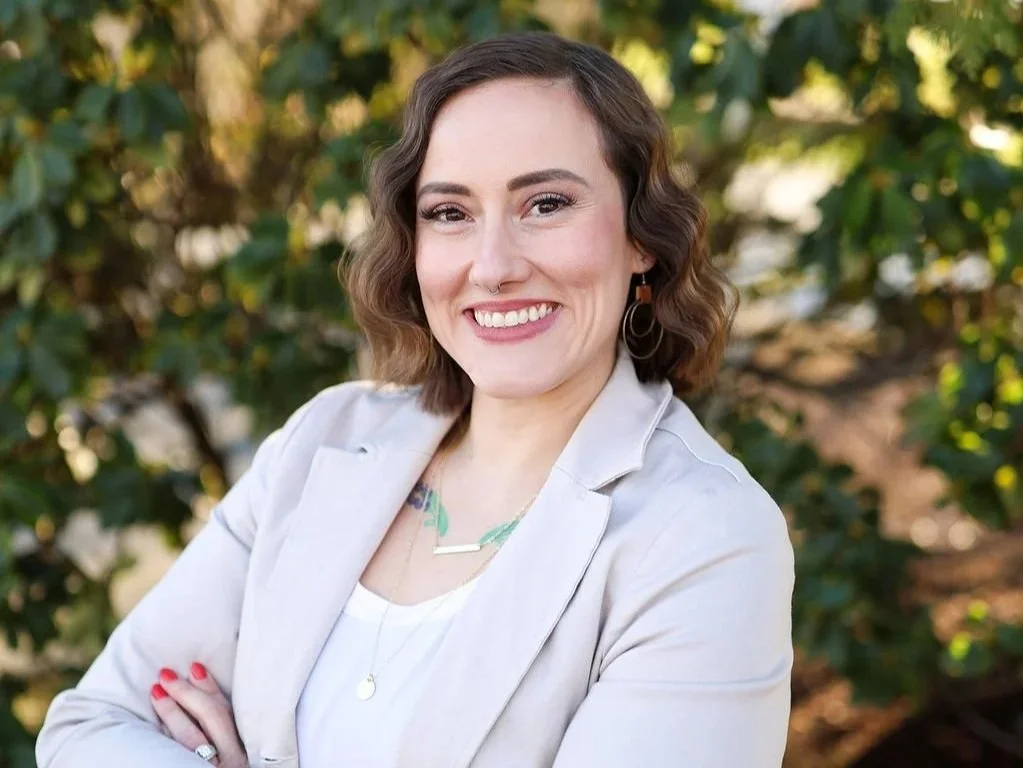
Brittni Capps
LICSW, LCSW, & FOUNDER of Real Roots Counseling
Brittni’s approach to therapy is warm, collaborative, and thoughtfully inquisitive. Using evidence-based psychotherapy, she helps clients explore the deeper roots of their struggles — trauma , OCD-related thought patterns, or the rigidity of OCPD — while reconnecting with their authentic selves. -
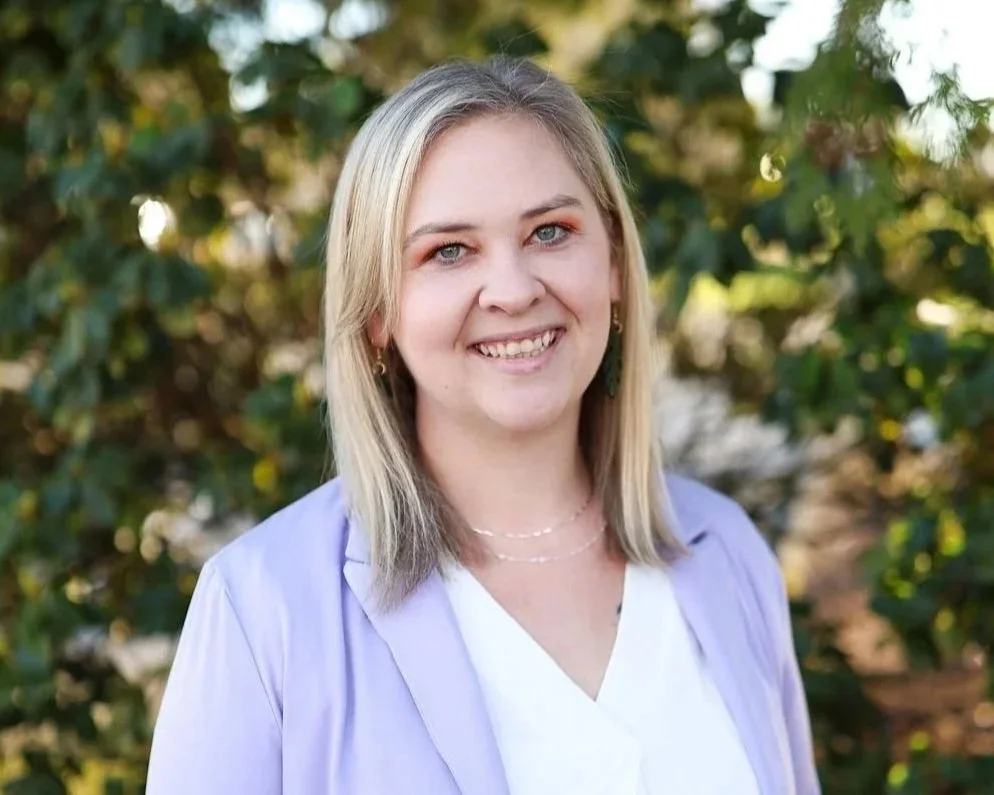
Katie Yung
MSW, SUDP, LSWAIC
Katie’s therapeutic style is supportive and strengths-based, with a focus on building insight, resilience, and practical coping skills that clients can carry into their daily lives. She strives to create a space that feels safe, welcoming, and free of judgment for her clients. -

Christina Moon Warner
LMFT ASSOCIATE
Christina focuses on finding the existing strengths and skills in people that can be nurtured into new ways to get the most out of life. She will often use books, movies, art, games, and music as ways to help clients connect to themselves and the world.
-

Brittany Jackson
LMHCA, APCC, PPS
Brittany partner’s with my clients to foster genuine safety within their own bodies using Internal Family Systems (IFS) and Relational Therapy. She cultivates an environment that feels welcoming and free of judgment, where you can be your authentic self. -

Marie McCullers
MSN, ARNP, PMHNP-BC
Marie blends evidence‑based therapeutic modalities with individualized psychiatric care, along with medication management when appropriate. Whether you’re navigating anxiety, depression, trauma, ADHD, chronic stress, or major life transitions, you will be supported and equipped with tools that truly help.
-

Wendy Naiman
LMFT, Evergrowing Therapy PLLC
Wendy is a visiting therapist at Real Roots, working exclusively with clients who have Kaiser NW insurance only. She specializes in anxiety, depression, divorce, body image, family conflicts, LGBTQ+, Polyamory & ENM, Trauma and PTSD.

Join Our Team
We are currently accepting applications for new team members at Real Roots Counseling. Click the button below to fill out the Employment Inquiry Form, and we will contact you directly if your qualifications match our needs. Thank you for you interest!