
OCD & OCPD
Resource Library
Brittni Capps is one of very few specialists in the country advanced in OCPD treatment…
She has been featured in multiple interviews with world-renown experts in her field.
Read, watch, listen, and learn from Brittni…
01. Answers to Your Vexing Questions About Obsessive-Compulsive Personality
This podcast episode grew out of a prior meeting and questions posed to Gary by Brittni Capps, expert OCPD Therapist based in Vancouver, Washington
02. Understand the difference between
OCD & OCPD
with Brittni Capps, clinical expert & therapist…
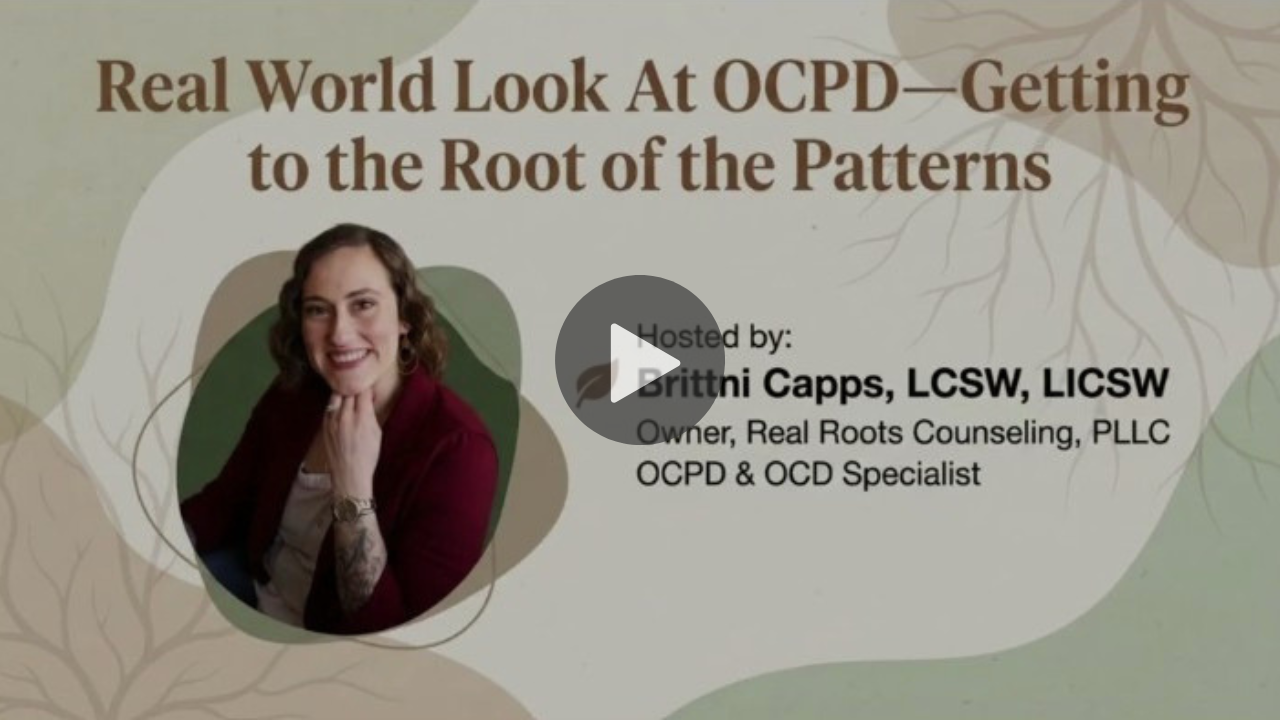
03. OCPD in the Real World Training
with Brittni Capps, clinical expert & therapist…
04. Not sure if you have OCPD?
Take the quiz!

05. Download the free OCPD Guidebook
for Therapists & clients


OCD & OCPD Resources for Therapists
CEU Course for Therapists
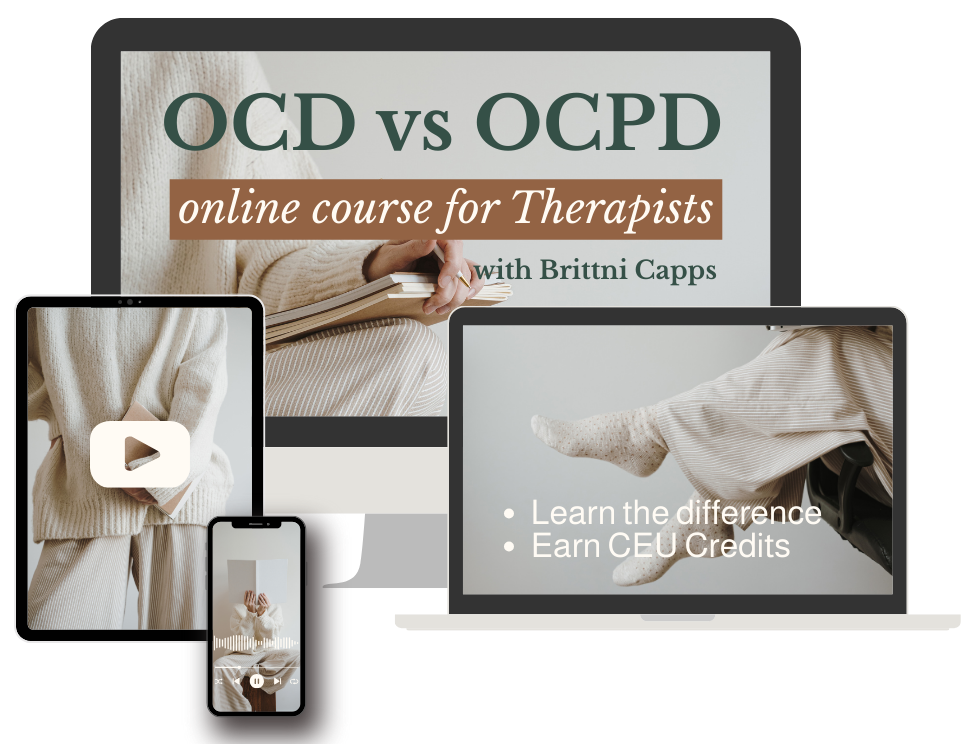
OCD vs OCPD
Learn the Difference
Step beyond the confusion and gain clarity! Learn how OCD and OCPD differ and what that means for treatment. Includes an exclusive one-hour Q&A interview with leading OCPD researcher, Dr. Anthony Pinto.
THE COURSE INCLUDES:
-
Go beyond surface-level similarities—dive deep into the complexities of OCD and OCPD to sharpen your diagnostic skills and strengthen your clinical confidence.
-
Work through carefully constructed, real-life–inspired case examples designed for teaching—not actual clients—so you can practice applying your knowledge in a safe and practical way.
-
Learn from the best. Gain exclusive insights and clinical pearls through a special 1-hour Q&A with Dr. Anthony Pinto, a leading researcher shaping the future of OCPD understanding and treatment.
Approved for 3.0 CEUs by WA- NASW Chapter for LICSW, LMFT, and LMHCs.
Meet Your Instructor
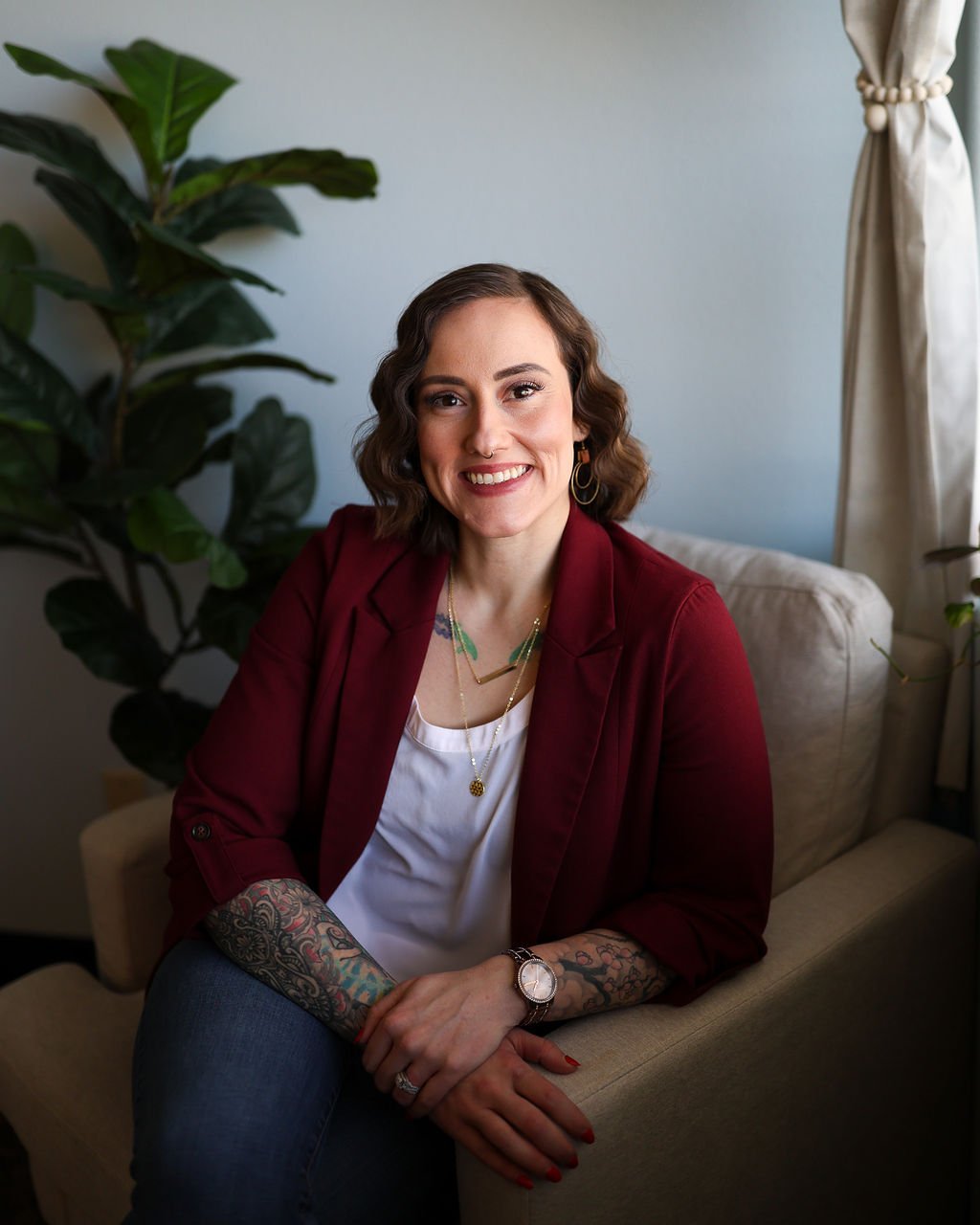
Brittni Capps
LICSW | LCSW | Founder of Real Roots
Like you, I know that learning to navigate the nuances of OCD and OCPD can feel overwhelming at times. These are complex diagnoses, and it’s normal to feel unsure about where to start or how to apply what you know.
I’ve been there, too. That’s why I created this course in partnership with Dr. Bethany Walker — to break things down in a clear, approachable way and give you practical tools you can bring straight into your work. I will be joined by special guest teacher, Dr. Bethany Walker, to walk alongside you in this process and help you feel confident, supported, and empowered to make a real difference for your clients.

OCD & OCPD Provider Consultation Group
-
Consultation group is every 4th Tuesday via Zoom.
-
For confidentiality purposes, providers must request to attend.
-
Email brittni@realrootscounseling.org to request an invite to attend our monthly OCD/OCPD Provider Consultation group meetings.

Introducing
OCD Treatment Group
10-weeks of therapy with Real Roots counselor, Katie Yung
You don't have to face OCD alone.
Join a supportive, structured therapy group designed for adults experiencing Obsessive-Compulsive Disorder (OCD) and related symptoms. This 10-week group provides education, therapeutic support, and practical tools to help you better understand OCD and work toward meaningful change.
What to Expect:
OCD Assessment
10 weekly in-person sessions (90-min each)
Education about the OCD cycle and intrusive thoughts
Tools for managing obsessions & compulsions
Support from others who understand
Safe, confidential, and nonjudgmental environment
All group materials and therapeutic support
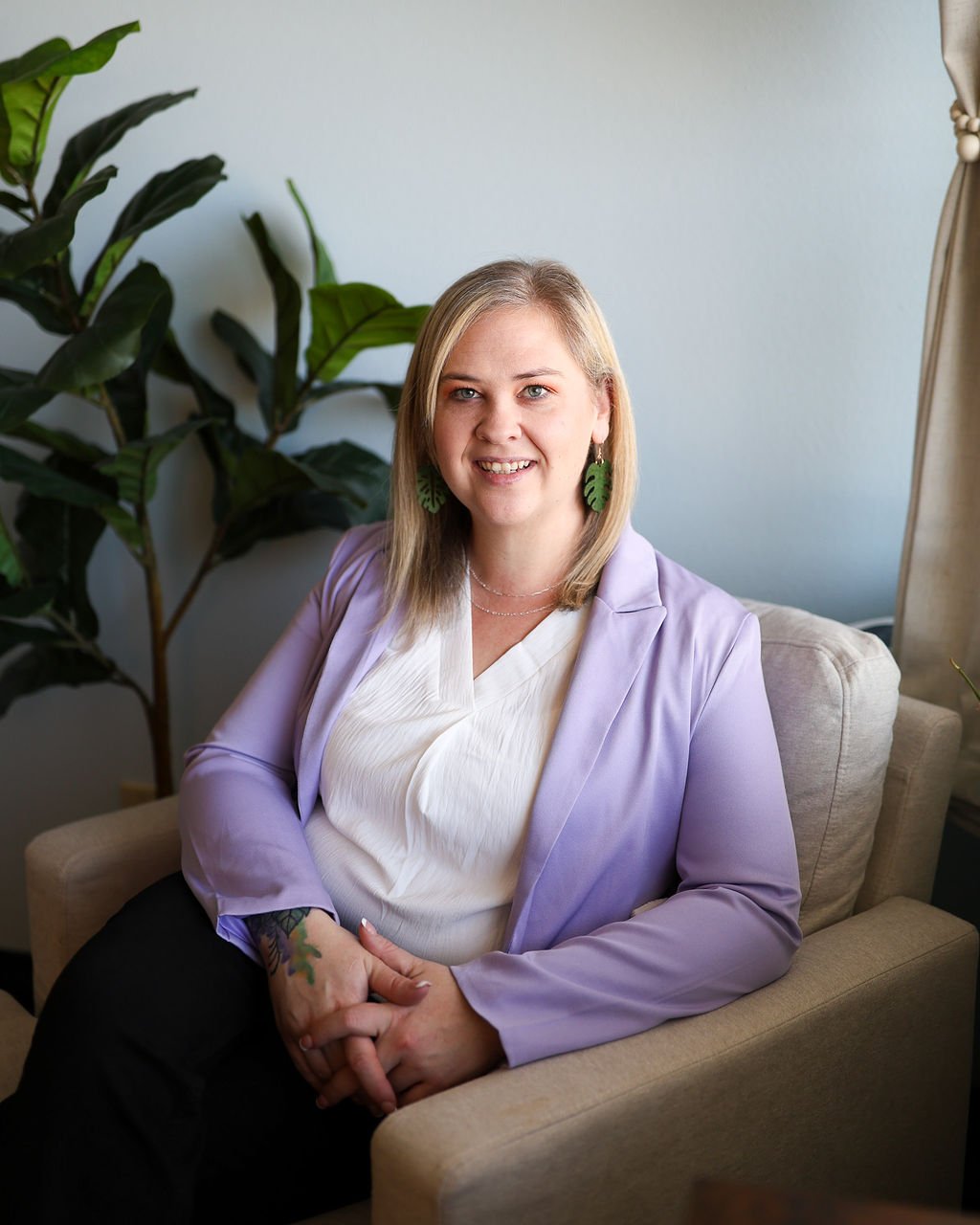
Katie Yung,
OCD Group
Therapist
SELF-PAY OPTION: $500 ($50 per group)
INSURANCE ACCEPTED: Providence • Moda • Regence • Aetna • Premera • Kaiser NW
Coverage varies by plan. Contact us to verify your benefits.
-
OCD looks different for everyone, but common signs include:
Intrusive thoughts, images, or urges that feel disturbing or unwanted
Compulsions such as checking, reassurance-seeking, mental reviewing, or avoidance
Needing things to feel “just right”
High levels of anxiety, guilt, or doubt
Difficulty tolerating uncertainty
OCD can focus on many themes, including harm, relationships, contamination, religion, sexuality, or morality.
-
Although they sound similar, Obsessive-Compulsive Disorder (OCD) and Obsessive-Compulsive Personality Disorder (OCPD) are different conditions.
OCD involves intrusive, unwanted thoughts (obsessions) and behaviors or mental rituals (compulsions) performed to reduce anxiety.
OCPD involves a long-standing pattern of perfectionism, rigidity, and control that feels right or necessary to the person, even when it causes stress or relationship issues.
People with OCD are usually distressed by their thoughts and behaviors, while people with OCPD often see their traits as part of who they are.
-
Yes. It’s possible to meet criteria for both. When this happens, treatment needs to address both anxiety-driven compulsions and deeply ingrained patterns around control, perfectionism, and self-worth.
-
OCPD often includes:
Extreme perfectionism and fear of making mistakes
Rigid rules, schedules, or standards
Difficulty delegating or trusting others to do things “correctly”
Over-valuing productivity and responsibility
Struggles with flexibility, rest, or emotional expression
Relationship tension due to control or high expectations
These patterns usually develop over time and can impact work, relationships, and well-being.
-
No. This is a common myth. While some people with OCD struggle with contamination fears, many do not. OCD can involve thoughts and rituals that are completely invisible to others, such as mental checking, reassurance-seeking, or avoidance.
-
Not exactly. Many high-achieving people do not have OCPD. OCPD becomes a concern when perfectionism, rigidity, or control:
Causes significant stress or burnout
Damages relationships
Makes it hard to adapt, rest, or feel satisfied
Feels driven by fear rather than values
-
No. OCD thoughts are not desires, intentions, or character flaws. They are intrusive and often target what matters most to you. Having a thought does not mean you want it, believe it, or will act on it.
-
Yes. Both are very treatable with the right approach.
OCD is most effectively treated with Exposure and Response Prevention (ERP) and related evidence-based therapies.
OCPD treatment focuses on increasing flexibility, addressing perfectionism and control, and building a more compassionate relationship with self and others.
Treatment is collaborative and tailored to your goals—not about taking away your values or strengths.
-
No. Treatment is not about becoming less capable or less responsible. It’s about learning how to:
Hold standards without rigidity
Make decisions without paralysis
Rest without guilt
Stay connected to values rather than fear
-
Working with a specialist can be especially helpful if:
You’ve tried therapy before and felt misunderstood
Your symptoms are complex, “purely mental,” or hard to explain
You struggle with high insight but feel stuck
Perfectionism or control feels intertwined with your identity
Specialized treatment can make therapy more efficient and effective.
-
You don’t need a diagnosis before starting therapy. Part of the work is clarifying what’s happening and what approach will be most helpful. We move at your pace and focus on what’s causing distress and getting in the way of your life.
-
No. While OCPD is classified as a personality disorder, this does not mean treatment is hopeless or ineffective.
OCPD reflects long-standing patterns related to control, perfectionism, and self-worth that often developed as adaptive responses earlier in life. Because there is no single “gold standard” treatment for OCPD, effective therapy focuses on understanding these patterns in depth rather than trying to eliminate traits or apply one-size-fits-all techniques.
In a psychoanalytic and psychodynamic approach, treatment explores the emotional meanings, internal conflicts, and relational experiences that shape OCPD patterns. Parts-based work helps identify and understand the protective roles of perfectionism and control, while also creating space for more flexible, compassionate ways of relating to self and others.
This work is typically slower and more relational than symptom-focused treatments, but it can lead to meaningful and lasting change. Clients often report increased emotional freedom, improved relationships, reduced shame and rigidity, and a greater sense of choice rather than compulsion.
The goal is not to change who you are or remove valued strengths, but to help you understand yourself more fully and live with greater ease, connection, and authenticity.